
Renting a car in Greece is one of the best ways to experience more of the country. Even on compact islands such as Paros and Mykonos, it is amazing how much you can miss when you depend only on buses, taxis, or tours.
After several trips around Greece, we have learned that having your own wheels lets you fit far more into a limited itinerary. Even in June, we have found rental prices to be pretty fair at around $35-40 per day, and if you visit outside the high season, you can often find much cheaper rates.
Car hire in Greece will not suit every kind of trip. If you are staying only in major cities or planning to settle into one dreamy beach spot for a full week, you may not need a vehicle at all – and honestly, that is perfectly fine. We did exactly that on our first couple of visits to Greece!
But if you want the flexibility to explore beyond the obvious places and create a more adventurous route through the country, keep reading.
🚗 Short on time? Compare the cheapest car rental offers in Greece 🇬🇷, with a free cancellation policy and no hidden fees, through ➡️ ➡️ Discover Cars.
- #1 Is Renting A Car In Greece Worth It?
- Should you rent a car in Greece? Based on our experience, yes — and here is why:
- #2 How Do You Rent A Car In Greece?
- #3 Is Car Rental In Greece Safe?
- #4 Requirements For Hiring A Car In Greece
- #5 How Much Does It Cost To Rent A Car In Greece?
- #6 What Type Of Car Should You Choose?
- #7 Is Driving In Greece Safe?
- #8 Road Signs In Greece
- #9 Speed Limits In Greece
- #10 Toll Roads In Greece
- #11 Gas Stations In Greece
- #12 Parking In Greece
- #13 Driving Rules In Greece
- #14 Taking A Rental Car Across Borders
- #15 Visiting The Greek Islands With A Rental Car
- #16 Best Places To Visit By Rental Car In Greece
- Final Thoughts
#1 Is Renting A Car In Greece Worth It?

Should you rent a car in Greece? Based on our experience, yes — and here is why:
- ☑ You get far more freedom. With a car, you can leave when you want, stop where you like, and avoid planning your whole day around public transport timetables.
- ☑ You can see much more. Some of the most beautiful places in Greece are difficult or impossible to reach without your own vehicle. This is especially true on bigger islands like Crete and Rhodes, and across the Peloponnese peninsula.
- ☑ It can work out cheaper. If you are travelling with friends or family, renting a car may cost less than buying multiple bus tickets, taking taxis, or joining organised tours.
- ☑ You have your own private space. You can bring extra bags on day trips, stop for snacks whenever you want, choose your own playlist, and avoid sitting right beside strangers for hours.
- ☑ Car rental in Greece can be surprisingly affordable!
#2 How Do You Rent A Car In Greece?

If you are planning a mainland road trip, you will most likely arrive at Athens International Airport, and the easiest option is usually collecting your rental car directly there.
Another good option, if you have a few days in Athens first, is to pick up your car from a downtown office once you have finished exploring the capital.
In most situations, we would say driving around Athens itself is not worth the hassle. Traffic can be stressful, parking can be annoying, and the city’s public transport is dependable and easy enough to use.
We always suggest booking your car in advance, especially if you need an automatic rental car in Greece. Arriving at the counter and discovering that only unsuitable models are left is never a fun start to a trip.
We usually use Discover Cars to compare the lowest prices. It searches offers from multiple rental companies, which makes it much easier to see what is available and what is genuinely good value.
On our most recent Greece road trip, we booked a Sixt car through Discover Cars and collected it from the Sixt office in Plaka. The whole process was simple, efficient, and drama-free — which has generally been our experience when renting cars in Greece.
For Greek island trips, we strongly recommend arranging to pick up your car at the airport or port where you arrive. Do not feel you need to keep the same car between different islands. It usually makes the rental more expensive, and then you also have to pay the additional ferry fare for the vehicle.
Taking a car on the ferry from Piraeus (Athens) to Milos, for example, would have cost us almost the same as bringing a third passenger. On top of that, many rental companies add extra fees if you take their car across the sea, even within Greece.
🚗➡️ Compare Rates & Availability on Discover Cars
#3 Is Car Rental In Greece Safe?
As long as you book through a reputable company, renting a car in Greece should be straightforward. Major international brands such as Avis, Hertz, and Europcar operate throughout the country.
If you choose a local Greek rental company, which can often be cheaper, take a few minutes to check its rating on Trustpilot and compare that with Google Maps reviews for the specific pickup branch. This gives you a better sense of service quality and reliability. We used this approach with Crete-based otoQ car rental and had no problems at all.
#4 Requirements For Hiring A Car In Greece

The requirements for renting a car in Greece are fairly standard for Europe, but there are a few important details to know before you book.
➡️ Minimum Age
Drivers aged 21 and over can usually rent a car in Greece, although many companies add a young driver fee for anyone aged 25 or under. Drivers over 65 may also face extra charges, but there is generally no strict upper age limit. So yes, adventurous 80-year-olds, you are still in the game!
➡️ Driving Licence
To rent a car in Greece, you usually need to have held your driving licence for at least two years.
Can you rent a car in Greece without an International Driving Permit (IDP)? For travellers from quite a few countries, yes. Citizens of the European Union (EU) and European Economic Area (EEA) can drive in Greece without extra paperwork. The UK government also clearly states that UK drivers with a photocard licence do not need an IDP.
If you are renting a car in Greece as an American, the US government still recommends carrying an IDP, just in case any issues arise.
There are two situations where you will definitely need an IDP to drive a rental car in Greece:
- If your driving licence does not include your photograph.
- If your driving licence is printed in a non-Latin or non-Greek alphabet, such as Arabic or Cyrillic.
➡️ Other Documents
Always confirm with your rental company whether they need any extra documents when you hire a car in Greece. Requirements can vary slightly between brands and may also depend on the vehicle category.
At the very least, we recommend keeping your passport, booking voucher or confirmation, and copies of any extra insurance documents close at hand, including emergency helpline numbers.
➡️ Credit Card
Depending on the rental company, you may or may not need a credit card for the security deposit. For some companies, a credit card is compulsory, while others may allow you to use a debit card instead.
Even if a debit card is accepted, we strongly recommend using a credit card where possible. With a credit card, the company places a hold on the deposit amount, but the money is not actually taken. With a debit card, the funds usually leave your account and are returned only after the vehicle is brought back without damage.
This can be inconvenient if your bank account has daily withdrawal limits. You also have no real control over how long the refund takes, which can create frustrating cashflow problems during or after your trip.
➡️ Extra Insurance For Driving In Greece
Third-party liability insurance is legally required and is normally included with car rentals in Greece, along with a collision damage waiver. However, we usually choose to upgrade to a more complete insurance plan.
You may already have additional rental car coverage through your credit card, which seems especially common among American travellers we have met. If not, we usually recommend the full insurance package offered by Discover Cars.
This type of policy can cover repair costs for damage to windows and mirrors, excess charges linked to damage or theft, and those annoying extras that sometimes appear later, such as vague “admin fees.”
Although Discover Cars is our usual choice, there are plenty of other insurance options available. Whatever you pick, read the fine print carefully and make sure you understand exclusions, coverage limits, and excess amounts, because that is where problems often appear.
It is tempting to see comprehensive insurance as just another added cost, but even minor damage can become very expensive. We know this from experience: a dent that was not even our fault once came with a €900 repair bill!
➡️ Mandatory Car Equipment
In addition to basic insurance, all cars in Greece are legally required to carry a warning triangle, a fire extinguisher, and a first aid kit. These should be included with every rental car, but it is always worth checking before you drive away.
If you are visiting Greece in winter and plan to drive in mountainous areas, also confirm that snow chains are provided.
#5 How Much Does It Cost To Rent A Car In Greece?
In the past, we have paid around $35-40 per day for a small automatic car in the May-June period. Prices changed slightly depending on whether we collected the car from Athens International Airport, Corfu New Port, or Zakynthos International Airport, but the difference was not huge.
That said, several factors affect the final price. First, how early you book can make a big difference, as can overall vehicle availability. We always book once our travel plans are confirmed so we can lock in better deals, but at minimum, we would aim to reserve a car 2-3 months in advance.
Automatic cars are almost always more expensive. For us, the extra cost is worthwhile because we are more comfortable driving an automatic. But if you are confident with a manual car, even on rougher roads, choosing manual is an easy way to save money.
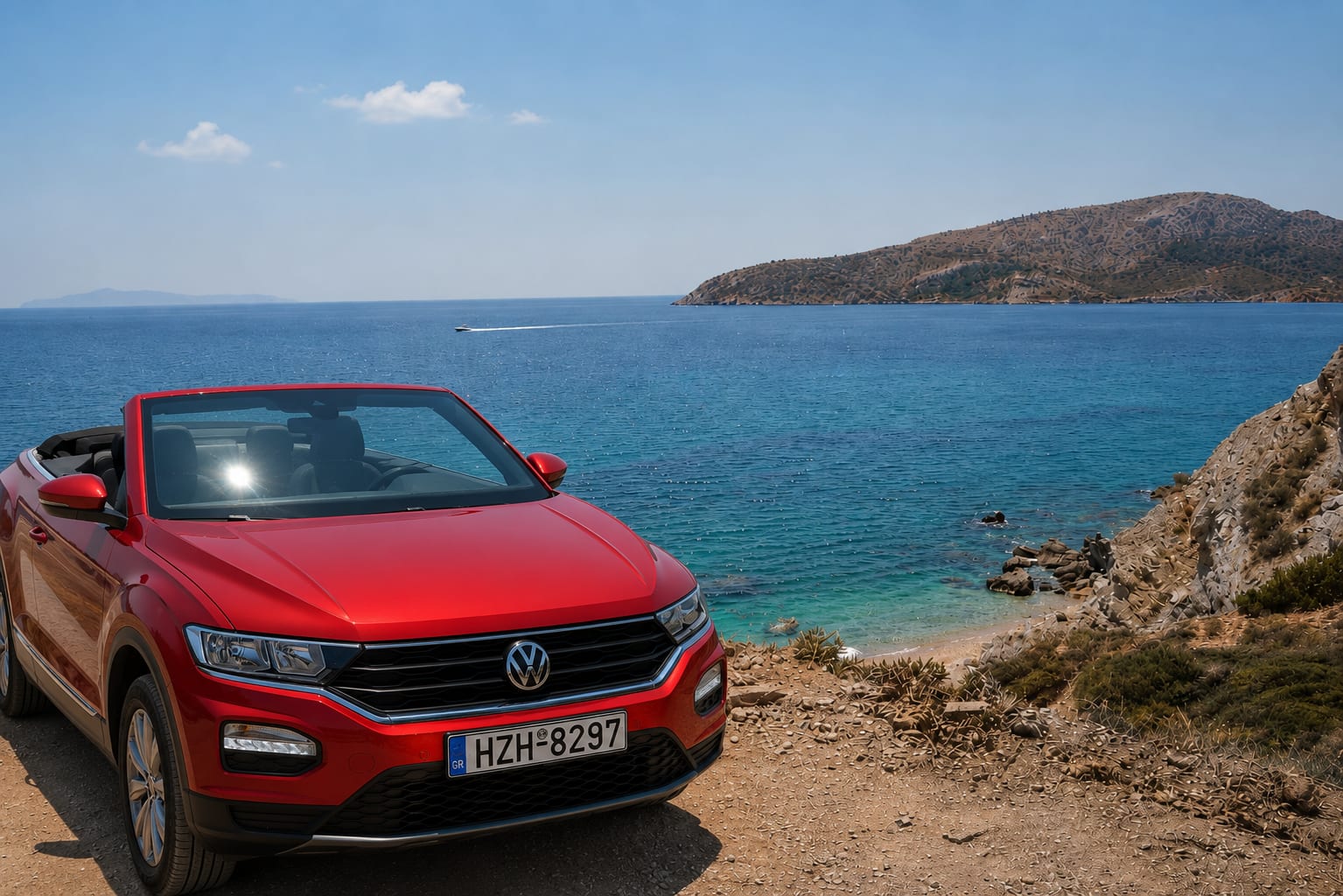
You also need to think about what type of vehicle suits your route. Naturally, a larger or more premium car will cost more, but a 4×4 can be worth the splurge if you are travelling as a group or heading to more remote mainland destinations where road quality may be less predictable.
Big international rental companies are appealing because they have reputations to protect, but smaller local companies often offer cheaper car hire in Greece. If they have strong reviews on Trustpilot or Google Maps, they can be well worth considering.
Finally, seasonality matters a lot. July and August in Greece are especially expensive for car rentals because they coincide with the busiest summer holiday period, but Christmas can also bring peak pricing. If that is when you have to travel, then unfortunately you may just need to accept the higher cost.
🚗➡️ Compare Rates & Availability on Discover Cars
#6 What Type Of Car Should You Choose?
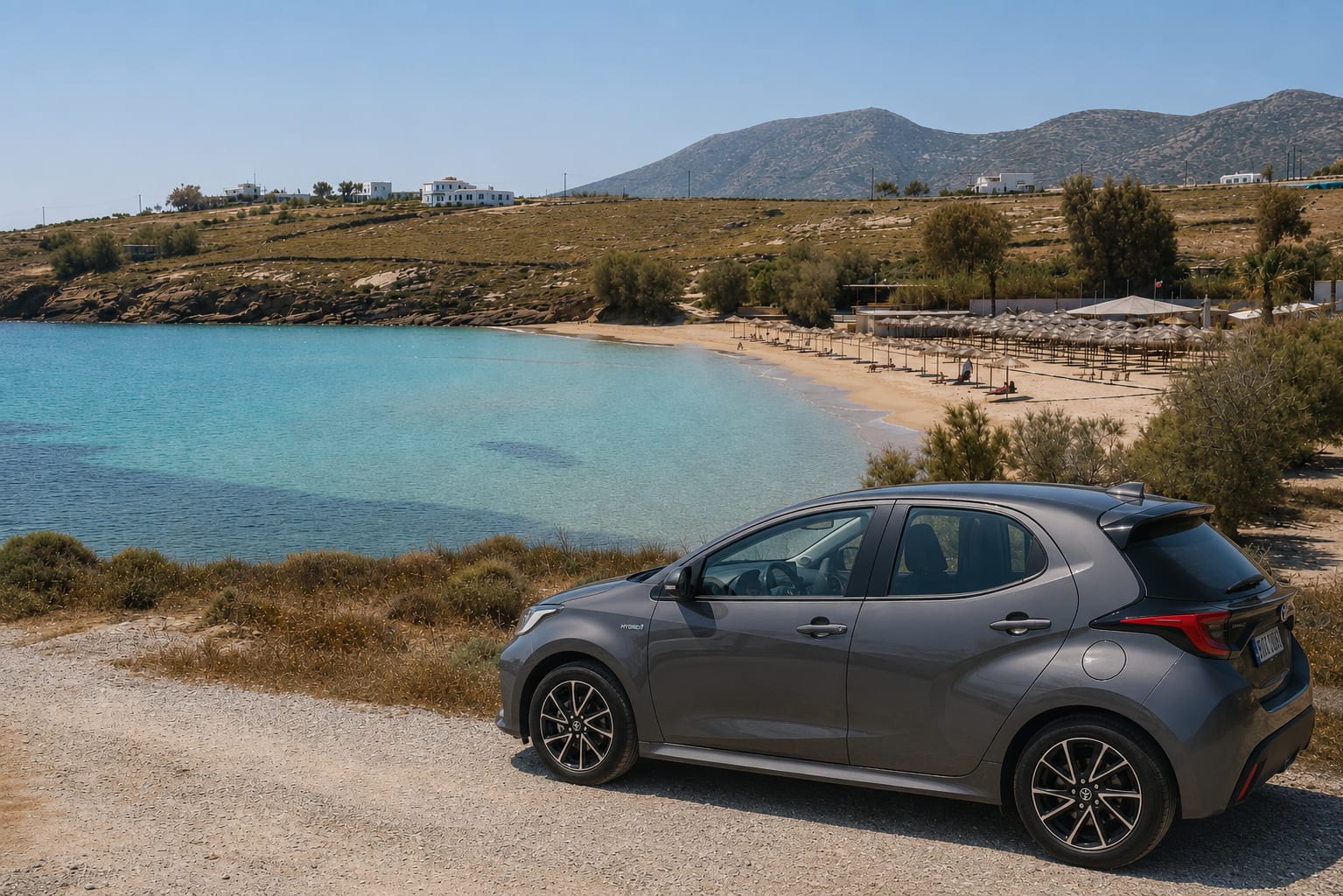
For the mainland, we recommend choosing a medium-sized car. It gives you a little more comfort for longer distances while keeping the overall rental cost sensible.
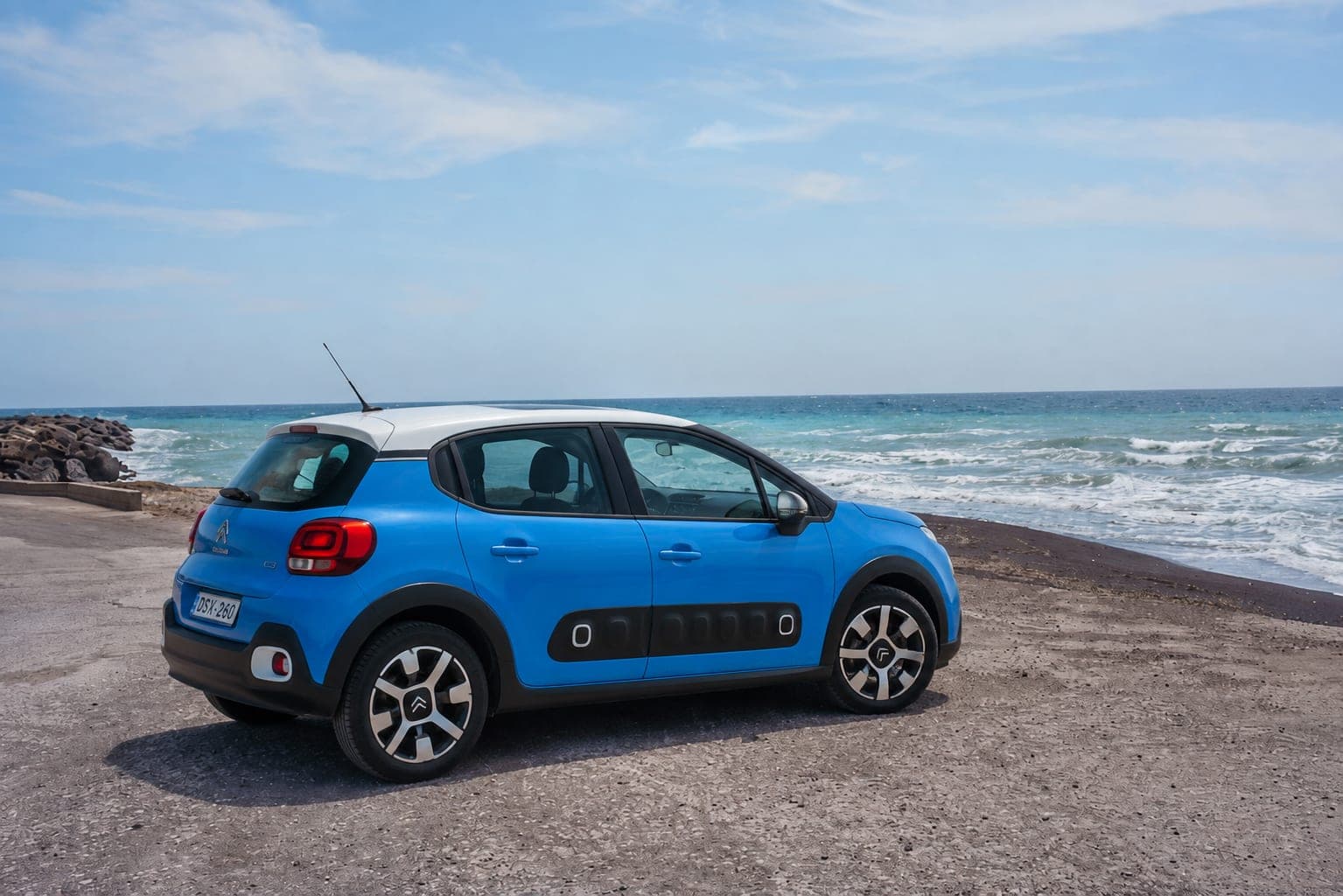
For the islands, we usually prefer a small car. Roads in places such as Paros, Milos, and Naxos can be narrow, so a large vehicle quickly becomes more of a burden than a benefit. Parking is also much easier with a compact model.
We normally choose an automatic wherever we travel because that is what we are used to driving. If you come from somewhere like the UK, where people drive on the left, an automatic can also make the adjustment to driving on the right side of the road feel much easier.
#7 Is Driving In Greece Safe?
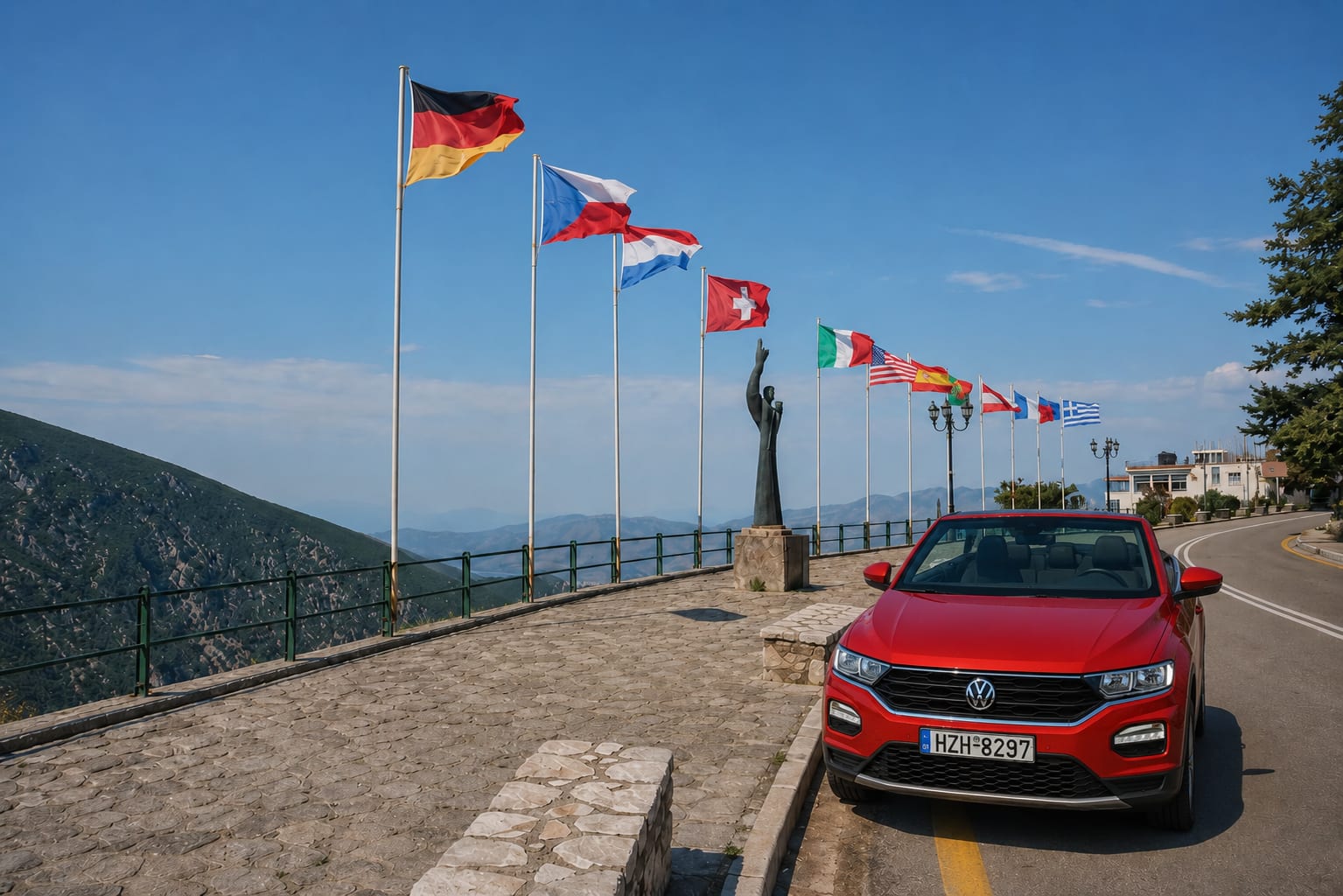
We would not recommend renting a car in Greece if we did not think it was generally safe. That said, as in every country, there are a few local driving habits worth knowing about.
Greek drivers tend to use the horn quite often! Technically, honking “unnecessarily” is not allowed, but the threshold for “necessary” seems fairly flexible.
From what we observed, the horn is often used as a simple “just so you know, I’m here” signal, which can actually be helpful on twisting roads and blind corners. So do not panic if you hear beeping around you; it does not automatically mean you have done something wrong.
On the topic of winding roads, mountain routes can be narrow, curvy, and slow-going. Rural roads may also have potholes, although the main highways are generally in good condition.
Navigation was easy for us both on the mainland and across the Greek islands. We used Google Maps and Waze in places like Mykonos and Santorini without any major issues.
TIP: Bring a phone holder for the car and either download offline Google Maps or buy a local SIM card so you can use Waze on the road.
#8 Road Signs In Greece
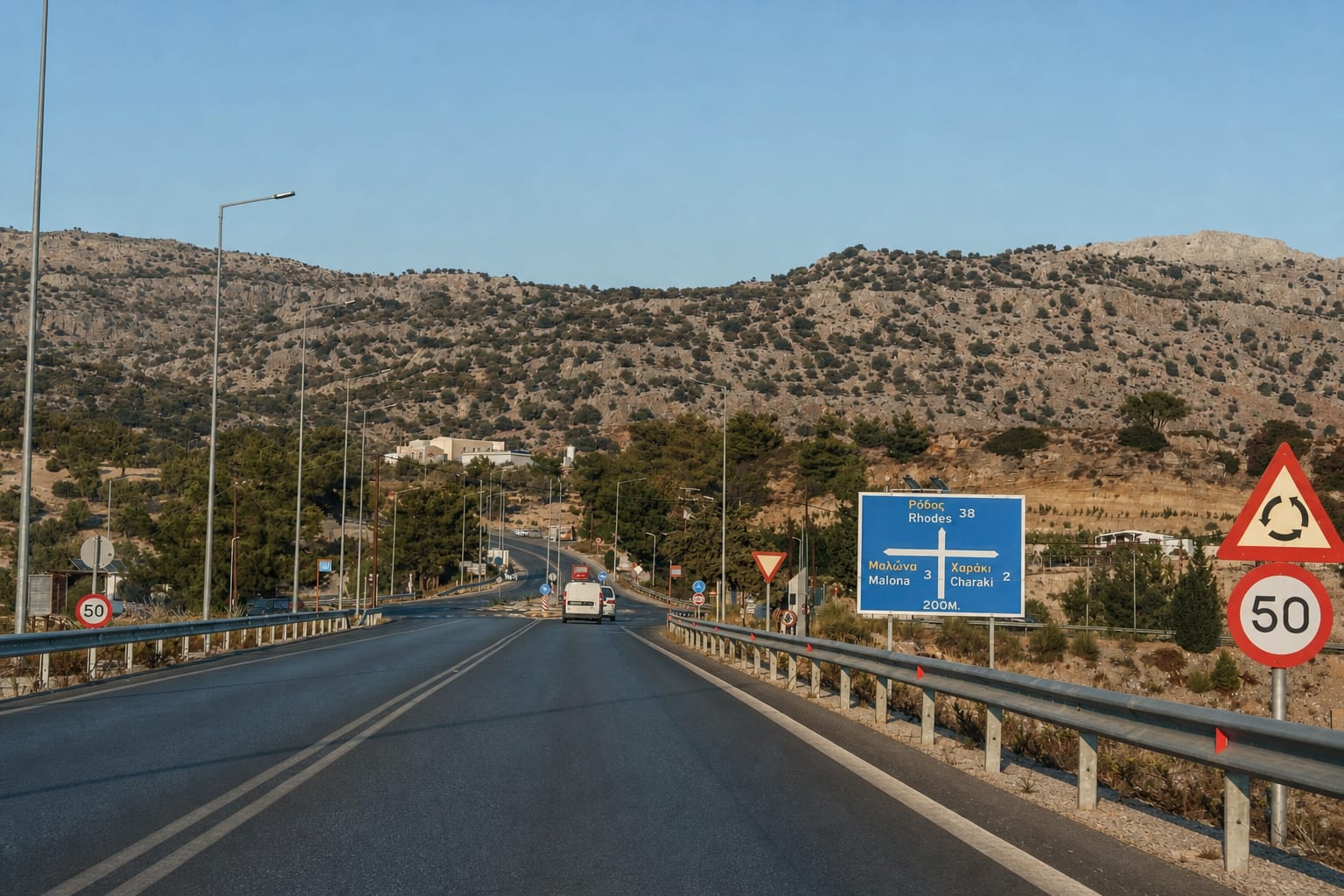
Warning signs are usually red and yellow, while most other road signs are blue and white.
Most signs we noticed while driving in Greece were variations of the standard road signs you see across Europe, including signs for speed bumps, curves, pedestrian crossings, and similar everyday road features.
You may also spot signs warning of cattle or deer crossings, plus the slightly worrying symbol that warns about possible falling rocks on hillside or mountain roads.
Are Road Signs In Greece Written In English?
Language is not something you need to worry about when driving a rental car in Greece. Most town and city names are shown in English as well as Greek, so route-finding is usually very manageable.
Can You Turn Right On Red In Greece?
Like in many European countries, you cannot turn right on a red light in Greece UNLESS there is a separate traffic signal showing that right turns are allowed. This will usually be indicated by a yellow or green arrow or light.
#9 Speed Limits In Greece
One of the key things to know before driving a rental car is the speed limit. In cities and towns, the limit is usually 50k/h (31mph), while on rural roads it commonly ranges from 90km/h (56mph) to 110km/h (68mph).
On motorways, the limit rises to around 130km/h (81mph).
Speeding fines can range from €40 ($43) to €750 ($805), depending on how much you exceed the limit and the type of road where you are caught, such as a city street or highway.
#10 Toll Roads In Greece
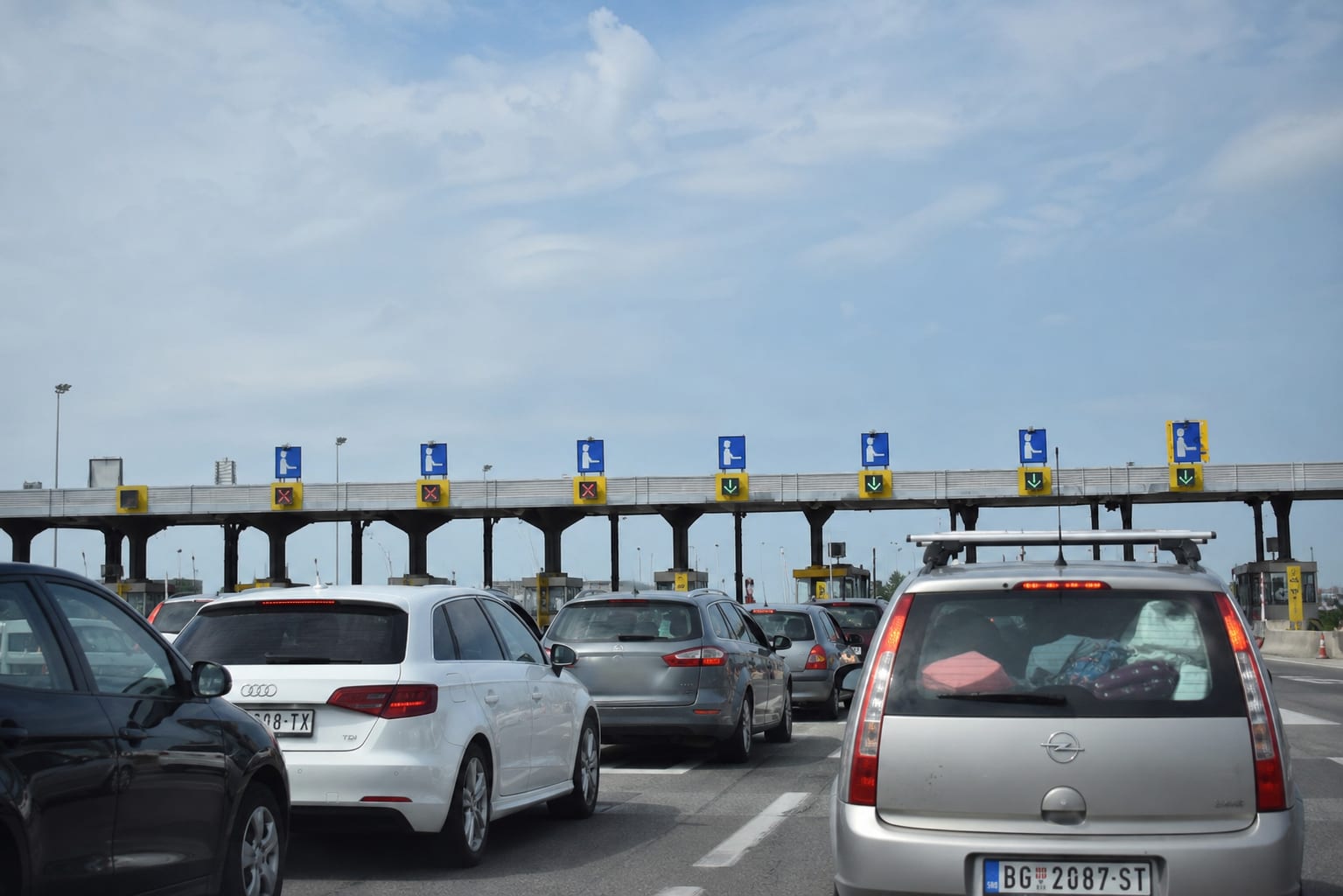
Greece’s toll roads are located on the mainland and link cities across the peninsula, running from Kalamata in Attica all the way to Alexandroupolis near the Turkish border.
The cost for each toll section varies quite a lot, from just under €1 to about €4.30. To give you a rough idea, our drive from Athens to Thessaloniki cost around €30 in tolls, although that was the longest route we took.
By comparison, the tolls from Athens to Napflion in the Peloponnese came to less than €7.
The toll booths between sections accept both cash and cards, so paying is usually quick and simple.
#11 Gas Stations In Greece
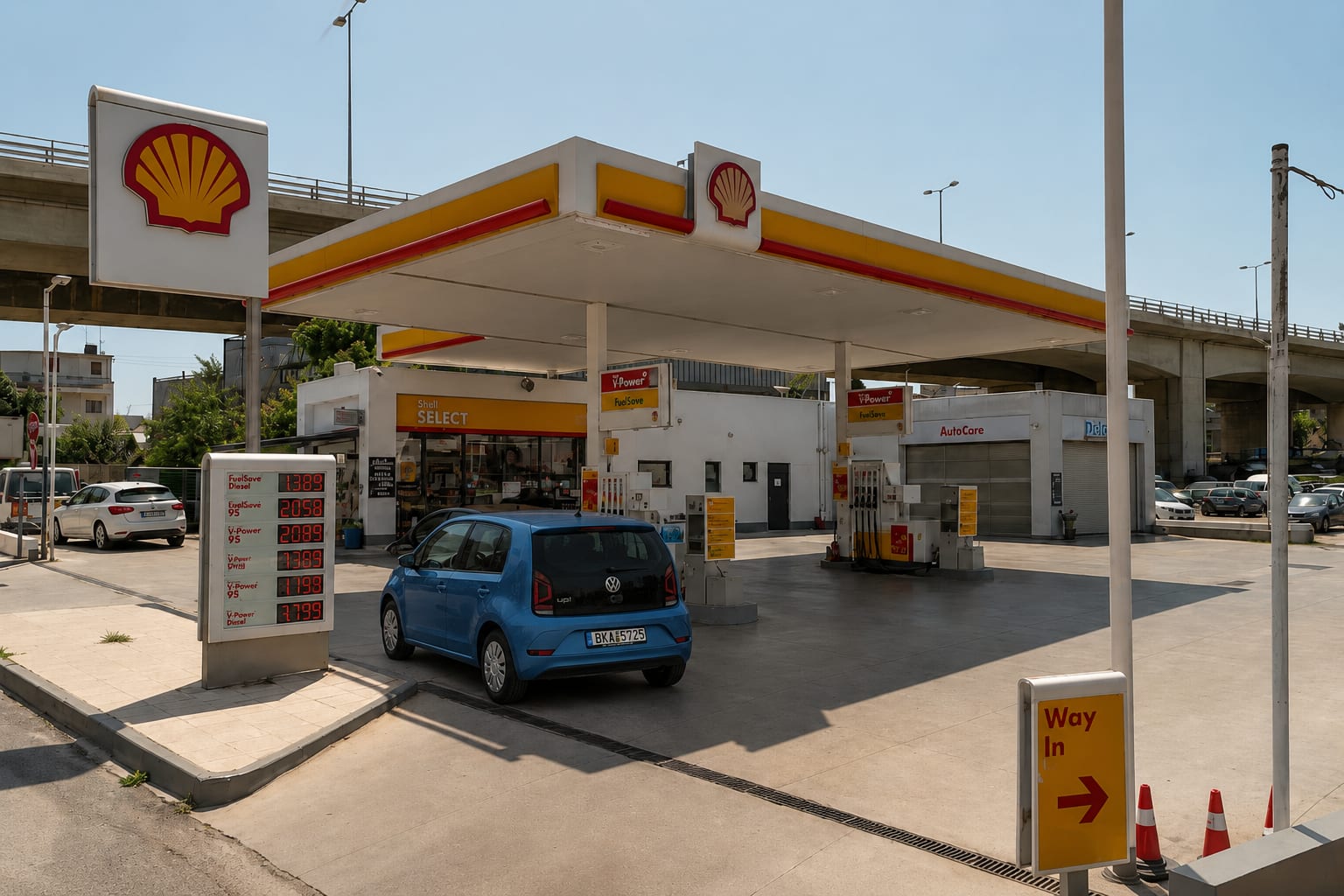
Gas stations in Greece are usually staffed, so you simply tell the attendant what type of fuel you need and how many euros you want to spend.
Stations sell several kinds of petrol and a couple of diesel options. Most rental cars run perfectly well on the cheapest petrol option, Unleaded 95, so do not feel pressured into choosing a more expensive fuel.
On our last visit, fuel prices were around €2 ($2.30) per litre. For American readers, that works out to roughly €7.50 ($8.70) per gallon.
#12 Parking In Greece
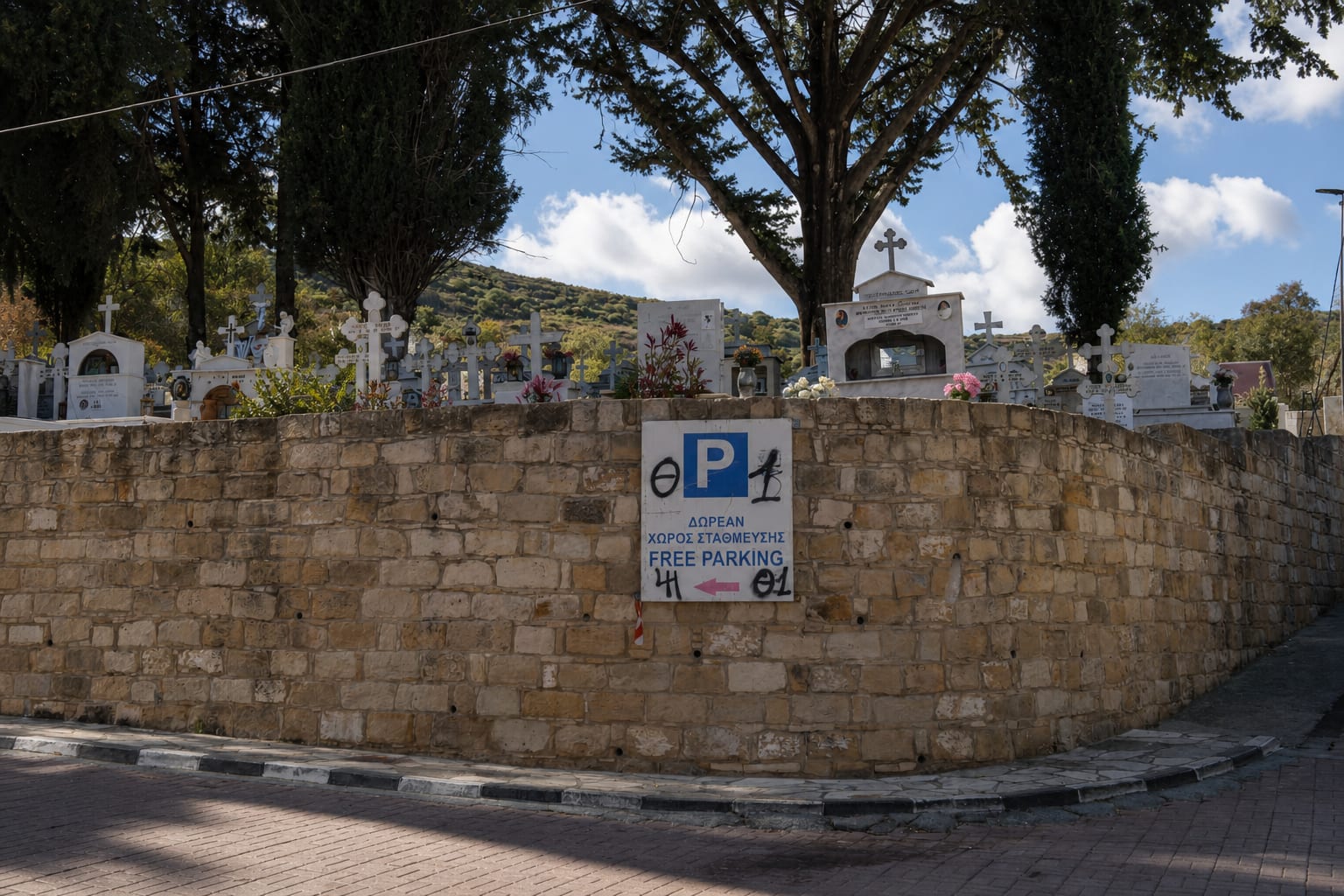
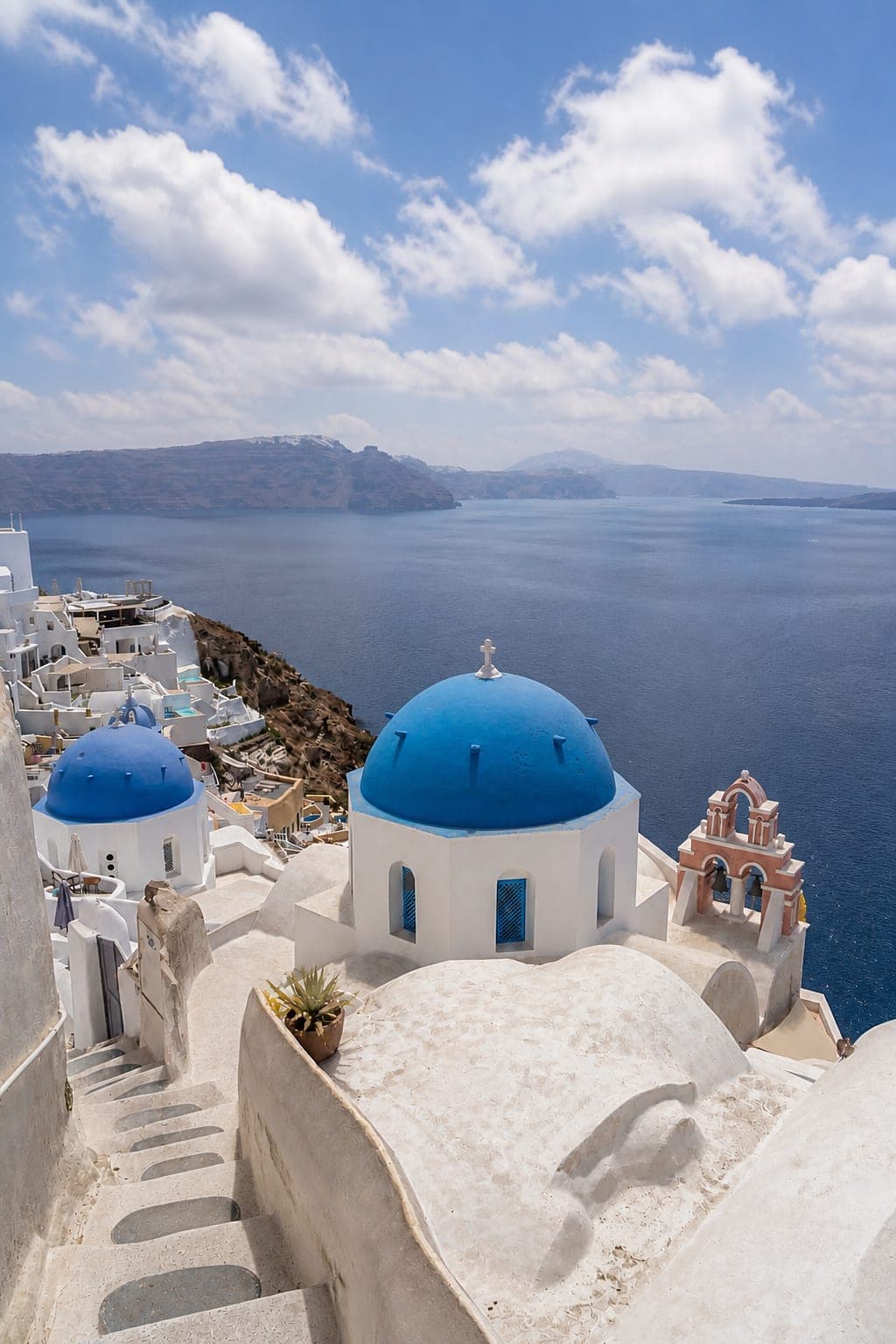
Parking is one of the biggest annoyances of renting a car in Greece, especially on the islands. We found it particularly difficult to get a space in popular places like Oia in Santorini.
The good news is that island parking is often free, including in destinations such as Crete and Naxos.
In Athens, parking exists, but it often comes down to how much you are willing to pay. There are a few free parking areas, but surface parking is usually around 50 cents per hour. Underground parking prices seem to vary a lot based on the places we tried, so it is worth checking ahead if you want to avoid unexpectedly high charges.
TIP: Choose accommodation with free parking whenever possible to save yourself both money and stress.
#13 Driving Rules In Greece
Greece has a mix of familiar European driving laws and a few quirks that may surprise first-time visitors.
Starting with the basics, 📵 it is illegal to use a mobile phone while driving in Greece unless it is hands-free. 🍺 Your blood alcohol level must not be above 0.05% — roughly equivalent to a pint of beer or a glass of wine.
💺Seatbelts are compulsory in both the front and back seats, assuming your car has rear seatbelts, which it almost certainly will. If you do not wear one, you can be fined €350.
🚸There are also rules for travelling with children. Child seats are required for children up to the age of 4, and only children aged over 10 are allowed to sit in the front passenger seat.
🟢 One of the strangest rules for us was that cars already on a roundabout must give way to cars entering it. This definitely caught us off guard the first time we rented a car in Greece.
Driving is on the right-hand side of the road, and priority is generally given to vehicles approaching from the right.
❄️ On mountain roads in winter, you are expected to carry and use snow chains when conditions require them. Speed limits may also be temporarily reduced to 50km/h (31mph), although frankly, icy mountain bends are not the place most people want to drive fast anyway!
In built-up areas, there are restrictions on using full-beam headlights, and you can be fined for unnecessary horn use.
As for fines, police can issue them, but they do not collect payment on the spot. If a police officer gives you a ticket, perhaps for speeding, they should explain how to pay it. If the ticket is left on your windshield, usually for a parking violation, payment instructions should be printed on the back.
In most cases, fines can be paid at the post office, a local bank, or sometimes online.
#14 Taking A Rental Car Across Borders
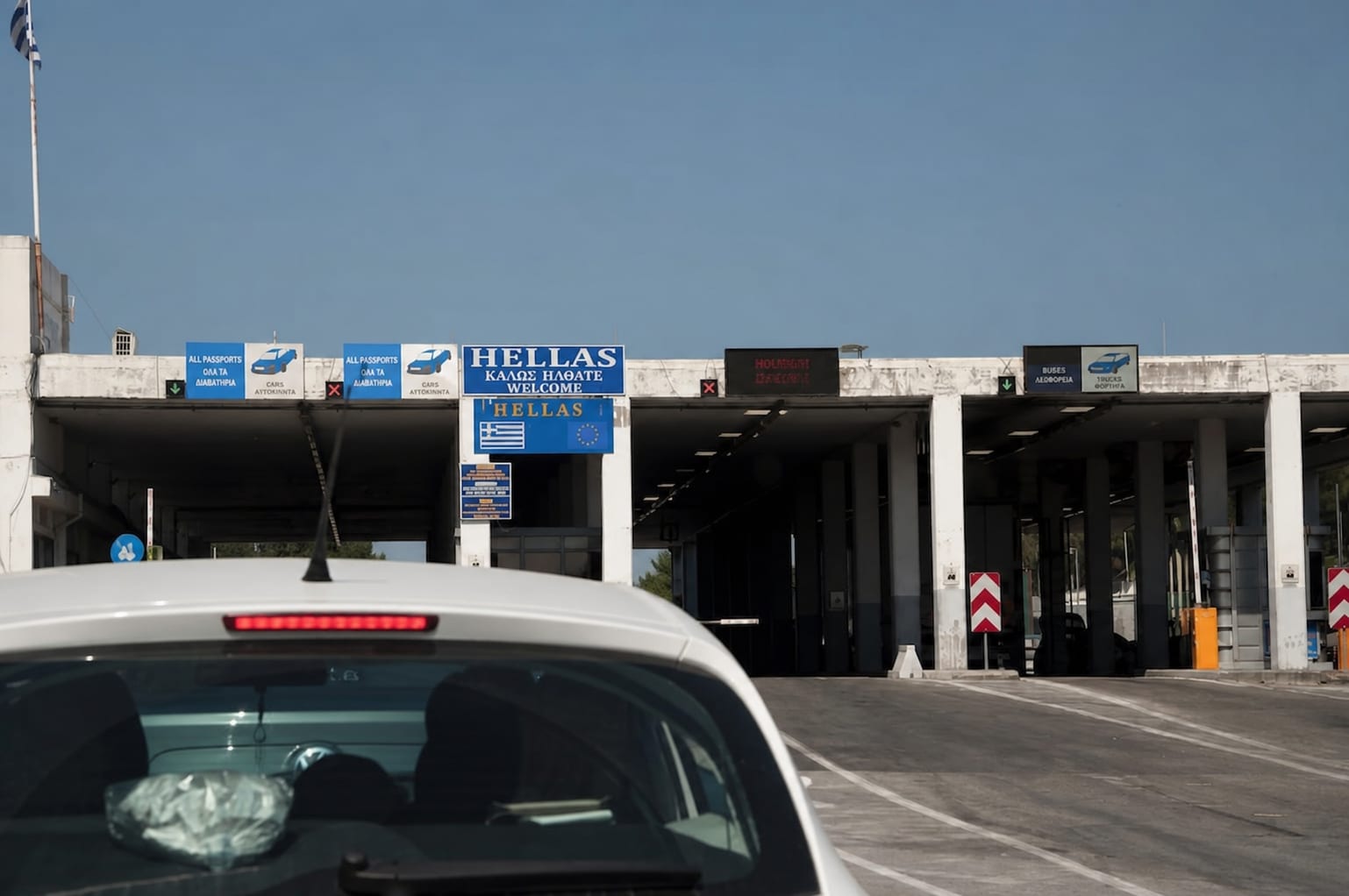
Greece shares borders with 4 countries: Albania, North Macedonia, Bulgaria, and Turkey. Some rental companies allow border crossings, while others do not, so always confirm the supplier’s policy if you plan to visit a neighbouring country.
For example, Enterprise only allows its rental cars to travel from one European Union country to another. From Greece, that would limit you to Bulgaria, since Albania, North Macedonia, and Turkey are not EU member states. Hertz, on the other hand, tends to be more flexible as long as you notify them at least 5 days before collecting the car.
In nearly every case, you should expect an extra fee for renting a car in Greece and taking it abroad. This may be a one-time charge or a daily cross-border fee.
🚗➡️ Compare Rates & Availability on Discover Cars
#15 Visiting The Greek Islands With A Rental Car
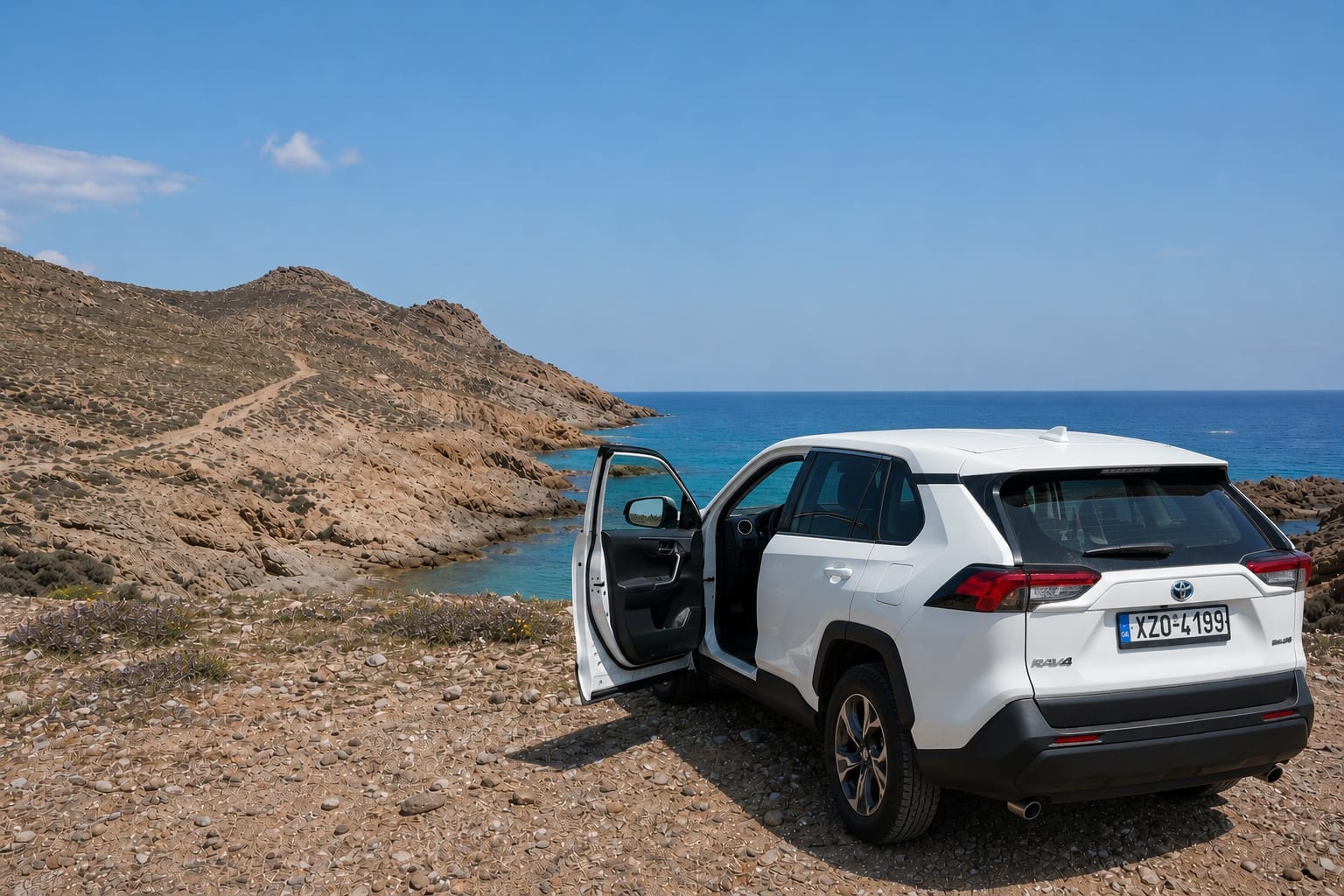
As with international border crossings, whether you can take your rental car to the Greek islands is a decision made by each rental company. As mentioned earlier, doing so is often more expensive because of ferry charges and additional fees from the rental supplier, but it is sometimes allowed if you really do not want to change cars several times.
Just be sure to check that your ferry actually carries vehicles when planning your itinerary. Some boats are for passengers only.
#16 Best Places To Visit By Rental Car In Greece
Renting a car in Greece unlocks all kinds of memorable adventures, from remote ruins to quiet beaches far from the crowds. These are a few of our favourite places we visited with a car.
📍Meteora

Meteora is a spectacular landscape of enormous sandstone pillars rising from the valley floor, topped with equally astonishing man-made monasteries.
At one time, Meteora had 24 monasteries perched on its rocks, but only 6 remain active or accessible today. Dating back to the 14th century, these architectural wonders are reached by paths and stairways carved into the rock over generations. Be ready for a workout, because some climbs can feel pretty demanding, especially under 30-degree sun!
With their extraordinary history and almost impossible location, it is no surprise that the monasteries are listed as a UNESCO World Heritage Site. They look more like film sets than real places, and in fact, they have appeared in several movies, including the James Bond film For Your Eyes Only.
Meteora alone is a strong enough reason to rent a car in Greece. You can visit on an organised day tour, but having your own vehicle lets you move slowly, stop at viewpoints, and spend as long as you want soaking up the surreal atmosphere.
Meteora sits just outside Kalabaka, around 345km (214 miles) from Athens, and the drive takes roughly 4 hours.
📍Delphi
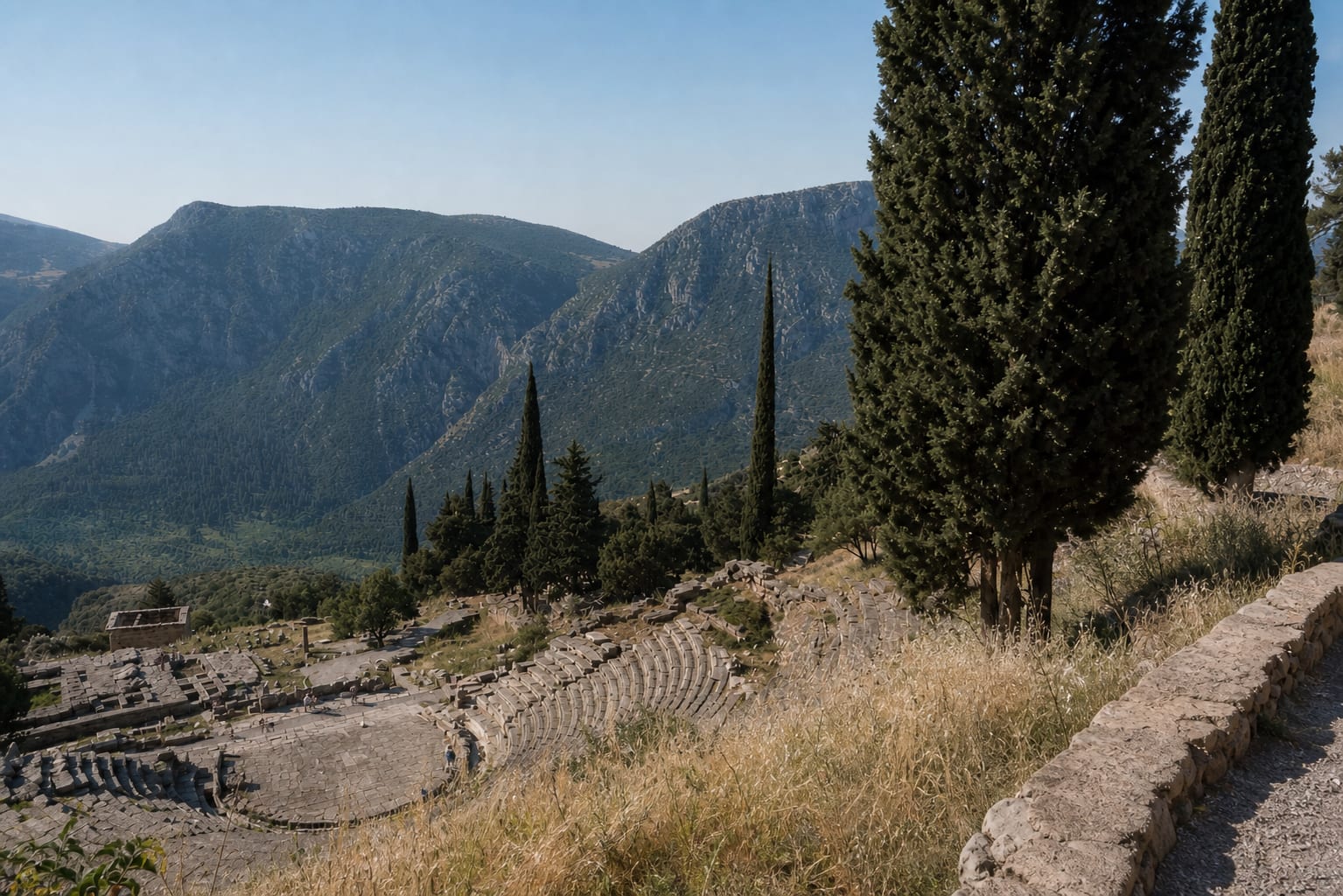
One of Greece’s most famous ancient sites, Delphi was traditionally the home of the Oracle, also known as Pythia, a high priestess believed to communicate with the gods. Her temple complex sat on the slopes of Parnassus, a mountain sacred to Apollo, where pilgrims came to hear her prophecies.
We did not meet any priestesses during our visit, but there are plenty of beautiful ruins that bring this legendary pagan sanctuary to life. Highlights include the 6th-century Temple of Apollo, the Athena Pronea Sanctuary, and the vast theatre, which once held more than 5,000 people. No sign of a Taylor Swift concert there anytime soon, though!
Delphi is around 120km (75 miles) north of Athens, which usually means a 2 to 3 hour drive depending on traffic.
📍Volos
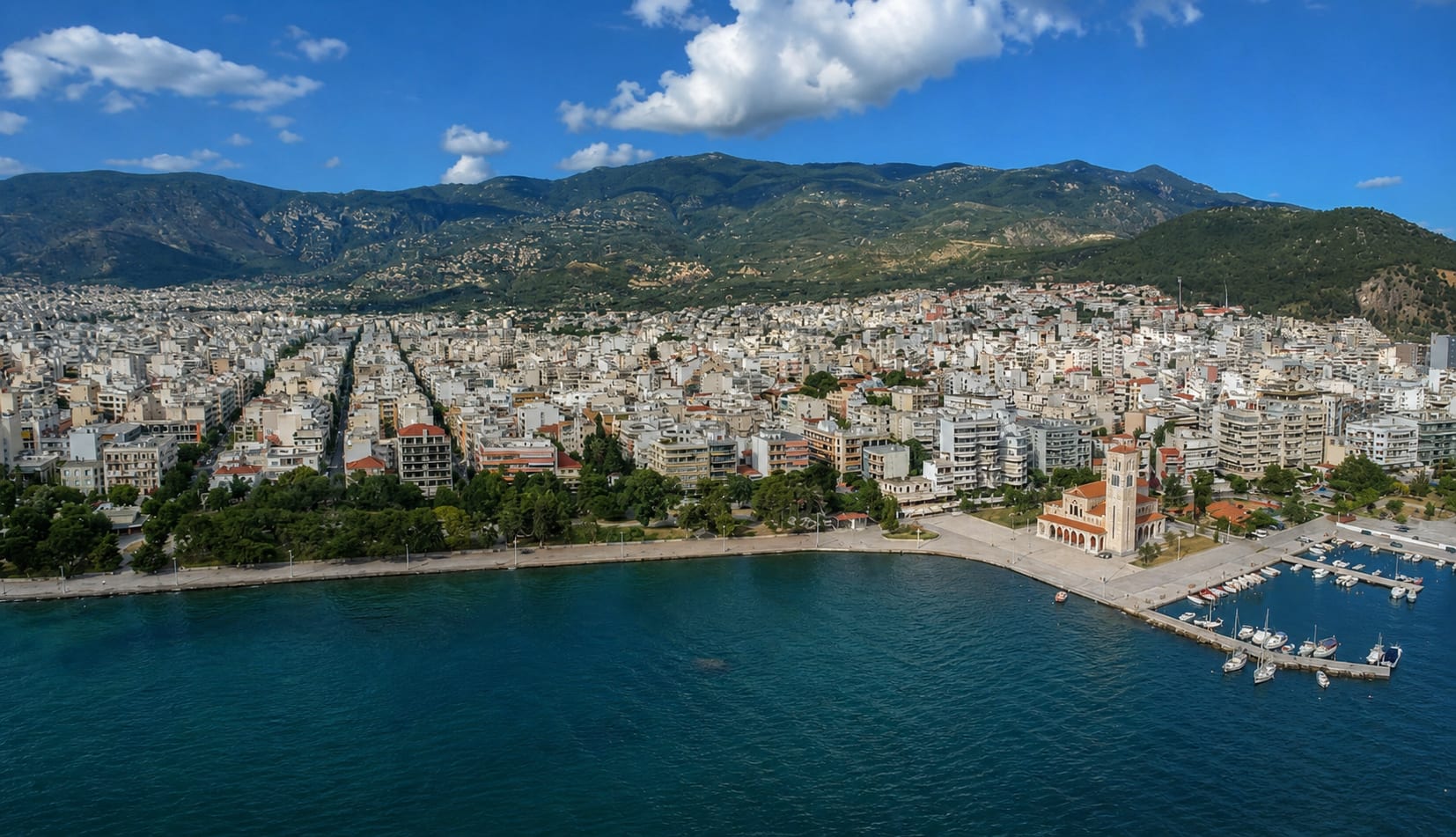
Set on the Pagasetic Gulf, about 331km (205 miles) from Athens, Volos combines a lovely waterfront with easy access to hilly walking routes. Located at the foot of Mount Pelion, the town slopes down towards the sea, with plenty of restaurants along the port for a relaxed lunch or sunset dinner.
The surrounding area also has several sandy beaches. In town, Anavros is the easiest option to reach. It is also just a short walk from the Athanasakio Archaeological Museum of Volos, which is ideal if you want to mix beach time with a dose of ancient history.
One of our favourite experiences here was riding the Pelion Train, which runs from Ano Lechonia, on the edge of Volos, up to the village of Milies. The railway was built around the turn of the 20th century to move goods, but today it carries visitors along one of the most scenic rail journeys in Greece.
The old-fashioned narrow-gauge steam train is charming in itself, but the views are what really make the journey special. Allow around 4 hours for the drive from Athens, give or take 30 minutes.
📍Thessaloniki
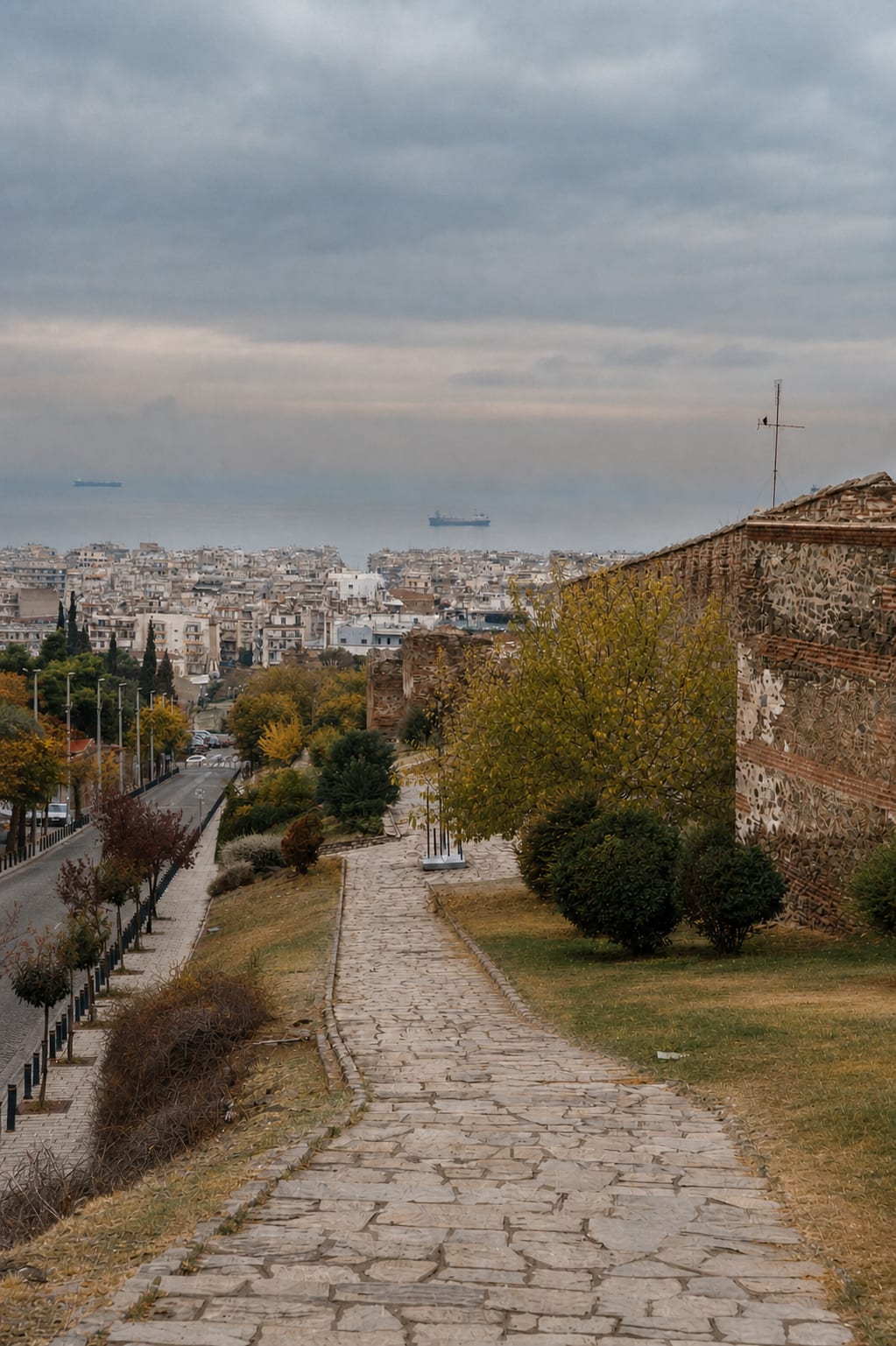
Greece’s second-largest city has one of the most enjoyable seafront promenades in the country. Lined with gardens, parks, and a scattering of restaurants and bars, it is a peaceful place for a morning or evening walk when you need a slower moment.
We definitely appreciated that breathing space during our busy itinerary. The city also has plenty to see, including UNESCO-recognised Byzantine churches with beautifully preserved mosaics.
If you love lively neighbourhoods, head to Ladadika, a historic pedestrian district filled with tavernas, boutiques, and bars. Its colourful buildings and cobbled streets have a slightly bohemian feel, and it is also one of the best areas in the city for a fun night out.
Travelling from Athens to Thessaloniki by train is actually quite convenient and reasonably priced, but it does limit your ability to reach some of our favourite beaches in the region, including idyllic Potamos and the more rugged Stavronikita.
📍Peloponnese

The Peloponnese is a huge region, and we honestly think it would be difficult to explore it properly without renting a car.
Having our own vehicle made travelling around the peninsula much easier, including the 210km (130 miles) drive from Kyllini, where ferries run to Zakynthos, to Mystras, a stunning hilltop complex of medieval ruins just outside Sparta.
If you love Ancient Greece, this region is a treasure chest. Ancient sites and centuries-old monuments are scattered everywhere, making it genuinely hard to choose a favourite.
If we had to pick, Messini felt the most magical. There is a lot to see, the setting is wonderfully peaceful, and it was far less crowded than Olympia, another major ancient site that attracts more visitors because it was the birthplace of the Olympics.
The Ancient City of Mycenae is also absolutely worth visiting, with the bonus that it is close to both the enormous Ancient Theatre of Epidaurus and one of the prettiest towns in the Peloponnese, Nafplion.
Final Thoughts
By this point, we hope you are convinced that renting a car in Greece can be a brilliant idea. Unless you plan to rely heavily on organised tours, which can quickly push up your travel budget, a car is the easiest way to get beyond the big cities and discover the beaches, ruins, villages, viewpoints, and cultural gems that make Greece such a rewarding place to explore.